Has 5-a-day changed to 30-a-week?
If you’ve been faithfully following the 5‑a‑day message for years, you’re already doing something great for your long-term health (Wang et al., 2021). But research over the last decade has highlighted something even more powerful for gut health: eating 30 different plant foods a week.
This is about eating more variety. And that variety can have a profound effect on the diversity of your gut microbiome, bringing benefits to your overall health and general well-being.
Let’s break down what the science says—and how you can easily start adding more plants a week to your diet.
Where did the “30 Plants a Week” idea come from?
The concept comes from the American Gut Project (2018)—a large microbiome study that analysed stool samples from over 10,000 people across the United States, United Kingdom, and Australia. The UK arm of the project was known as the British Gut Project (McDonald et al., 2018).
Researchers compared the microbiome of those who ate:
- More than 30 different plant foods per week, with those who ate
- Fewer than 10 different plants per week
The findings were fascinating:
- Gut microbial diversity was strongly linked to dietary plant diversity; those participants that ate 30+ plants a week had a more diverse gut microbiome than those that ate fewer than 10.
- Plant diversity is more strongly linked to the gut microbial diversity than diet identifies, such as vegan or omnivore.
- The poop samples from those who ate 30+ plants a week had higher levels of bacterial produced chemicals that are linked to good health.
In short: Your gut microbiome thrives on diversity.
What exactly is the Gut Microbiome and how is it linked to our diet?
Your gut microbiome is a bustling ecosystem made up of bacteria, fungi, viruses and protozoa (Ross et.al., 2024).
Research shows that:
- Diet is one of the strongest influencers of microbiome composition (Ross et al. 2024; Clerici et al., 2025).
- Different diets can alter the microbiome in ways that can be either beneficial or detrimental (Ross et al., 2024; Singh et. al., 2017).
- Polyphenol‑rich foods (e.g. fruit, veg, tea, cocoa) can increase beneficial bacteria like Bifidobacterium and Lactobacillus, which support immunity and gut health (Singh et al., 2017).
- Fermented dairy foods, such as yoghurt and kefir, are a rich source of probiotics and when eaten regularly they increase the number of beneficial bacteria in the gut (Singh et al., 2017).
- Interestingly, one study found that IBS patients who suffered from diarrhoea had low levels of lactobacillus in their poop, and another found that probiotics containing bifidobacteria and lactobacilli have been successful in preventing traveller’s diarrhoea (Singh et al., 2017).
So, in brief: There is a link between the foods that we eat, the gut microbiome, and individual health and well-being (Clerici et al., 2025).
Diet and Health
On the whole, studies suggest that a more diverse gut microbiome is linked to living a longer, healthier life (Deng and Zhao, 2019). In 2017, a literature review brought together evidence from 188 different studies that showed diet can affect and manipulate the gut microbiome (Singh et al., 2017). The food that we eat provides the substances that supports the growth of specific microbes in the gut (Nagpal et al., 2019). In-other-words, our microbes are fussy eaters, and each type have a preferred food. Therefore, to keep our microbiome healthy we need to eat a wide variety of plant foods to satisfy all the ‘good’ bacteria. What’s more, our microbiome can react quickly to changes in our diet and this can have a substantial effect on our health that can be either positive or negative (Singh et al., 2017).
The ‘Mediterranean-style diet’ is high in fibre, unsaturated fat, antioxidants and polyphenols. It provides fibre and phytochemicals from plants for a diverse, healthy gut microbiome to thrive. This style of eating is linked to:
- Better immune function
- Protection against harmful pathogens
- Improved nutrient and energy extraction from our food
- Production of vitamins (B and K)
- Healthy body weight regulation
- Better regulation of appetite
- Lower inflammation
- Longer, healthier lifespan
On the flip side, a typical ‘Western Diet’ is a low consumption of fruit, vegetables, and unsaturated fats such as olive oil and fish. Instead, it is high in simple sugars, saturated fat, red meat and processed foods. It is linked to dysbiosis—an imbalance in gut microbes—and it has been associated with:
- Obesity
- Metabolic syndrome
- Inflammatory bowel disease
- Type 2 diabetes
- Cardiovascular disease
- Cancer
- Neurological disorders
- Malnutrition
Your gut bacteria use plant fibre and phytochemicals as fuel—and in return, they produce compounds that support your health in remarkable ways.
What counts as a “Plant Point”?
You don’t need 30 portions—just 30 different plant foods.
Unlike the 5-a-day target, which aims for 5 portions of fruit and vegetables (with each portion weighting about 80g (Simply Veg., 2025)), there is no portion quantity to worry about. So, you do not need to eat 30 portions of different fruit and vegetables a week.
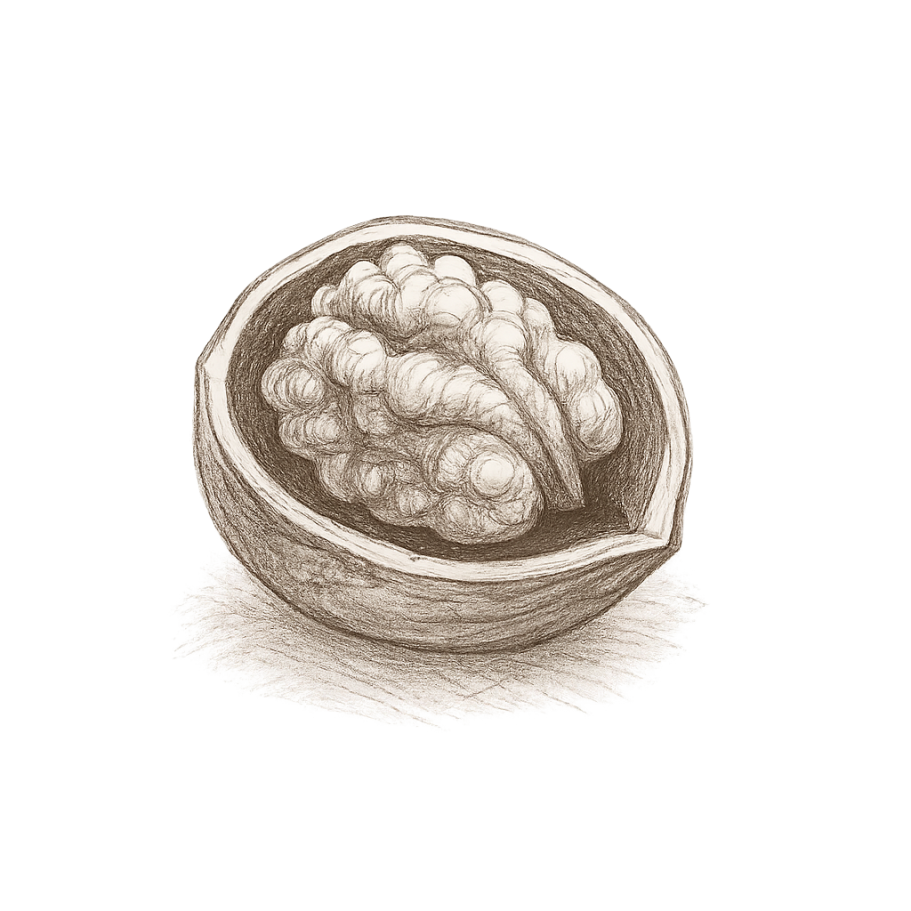
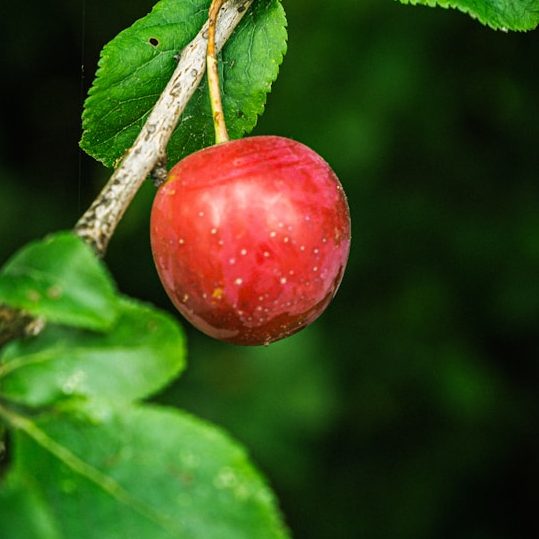
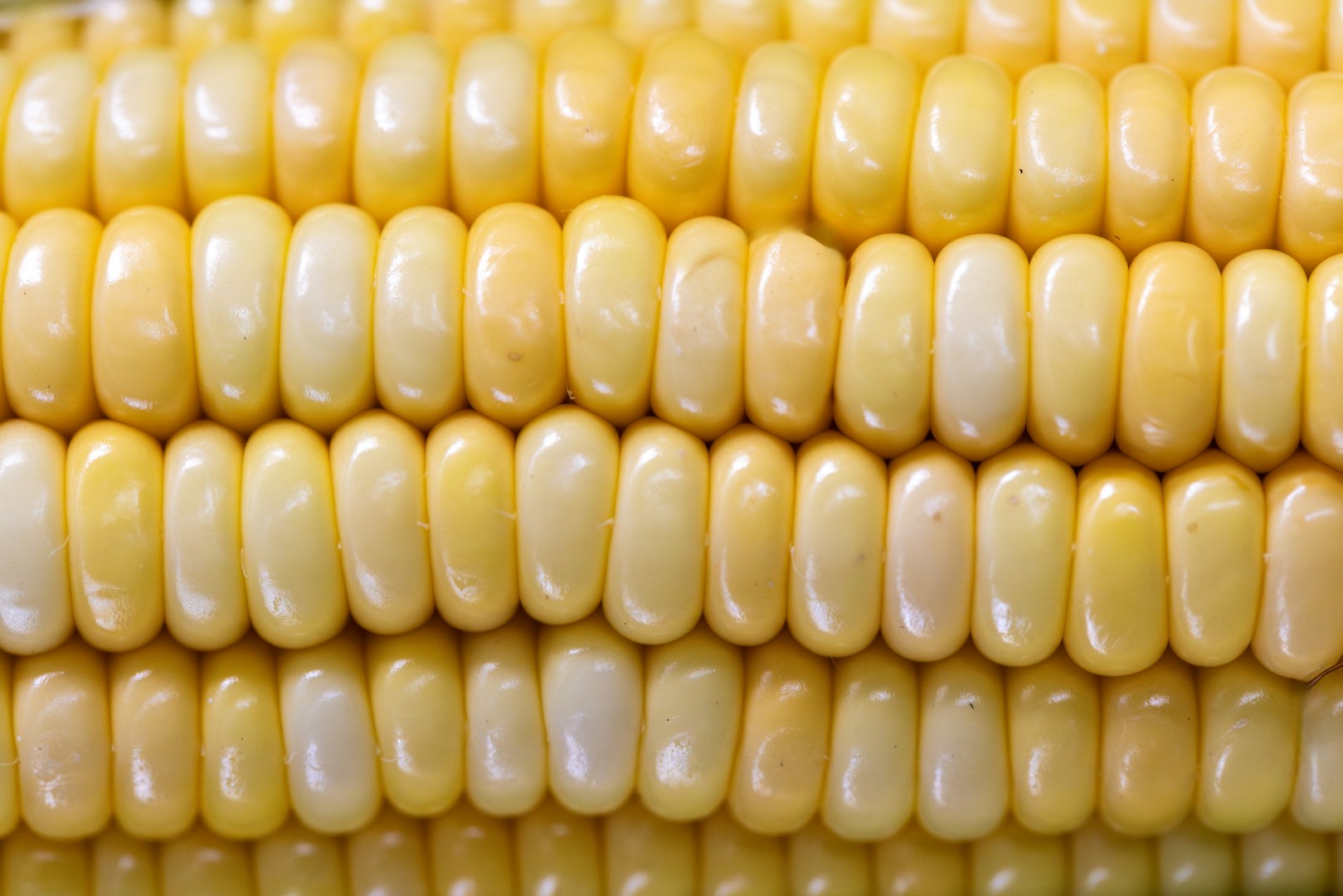
In fact, it’s not just fruit and vegetables that count. You might be surprised to realise how many different plants you normally eat in a week. The plant groups that count towards plant points are known as the Super Six.
Super Six
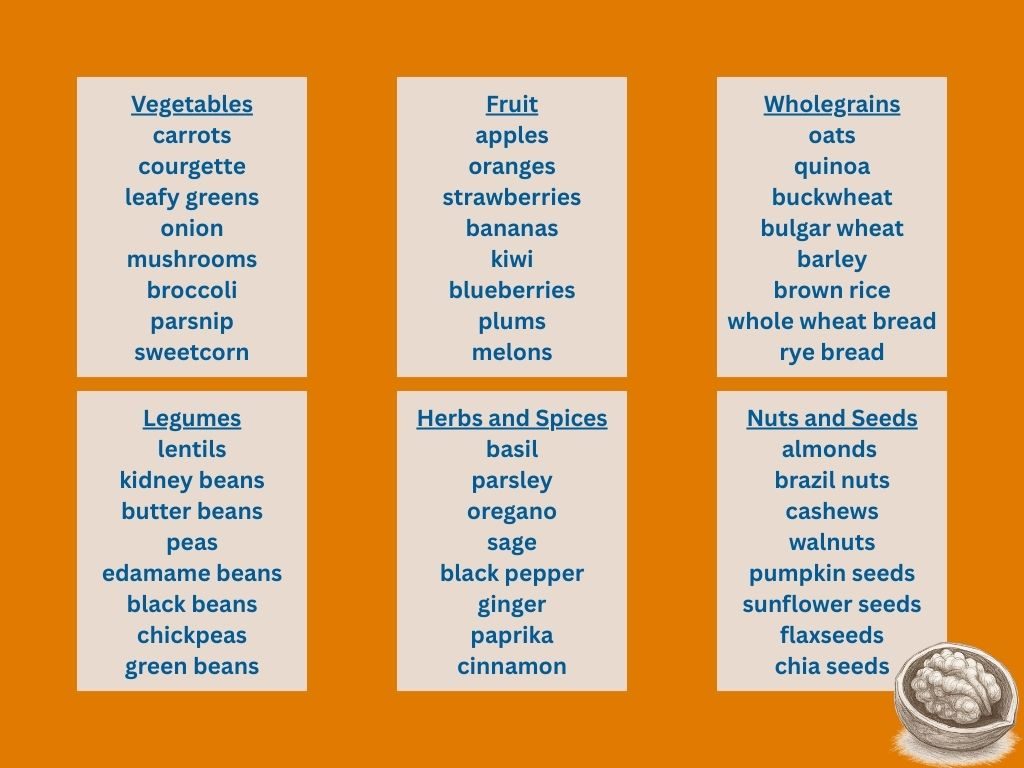
Different colours of the same fruit or vegetable are counted separately because they contain different chemicals.
For example:
- Red apple = 1 point
- Green apple = another point
But eating the same apple twice in a week still counts as one.
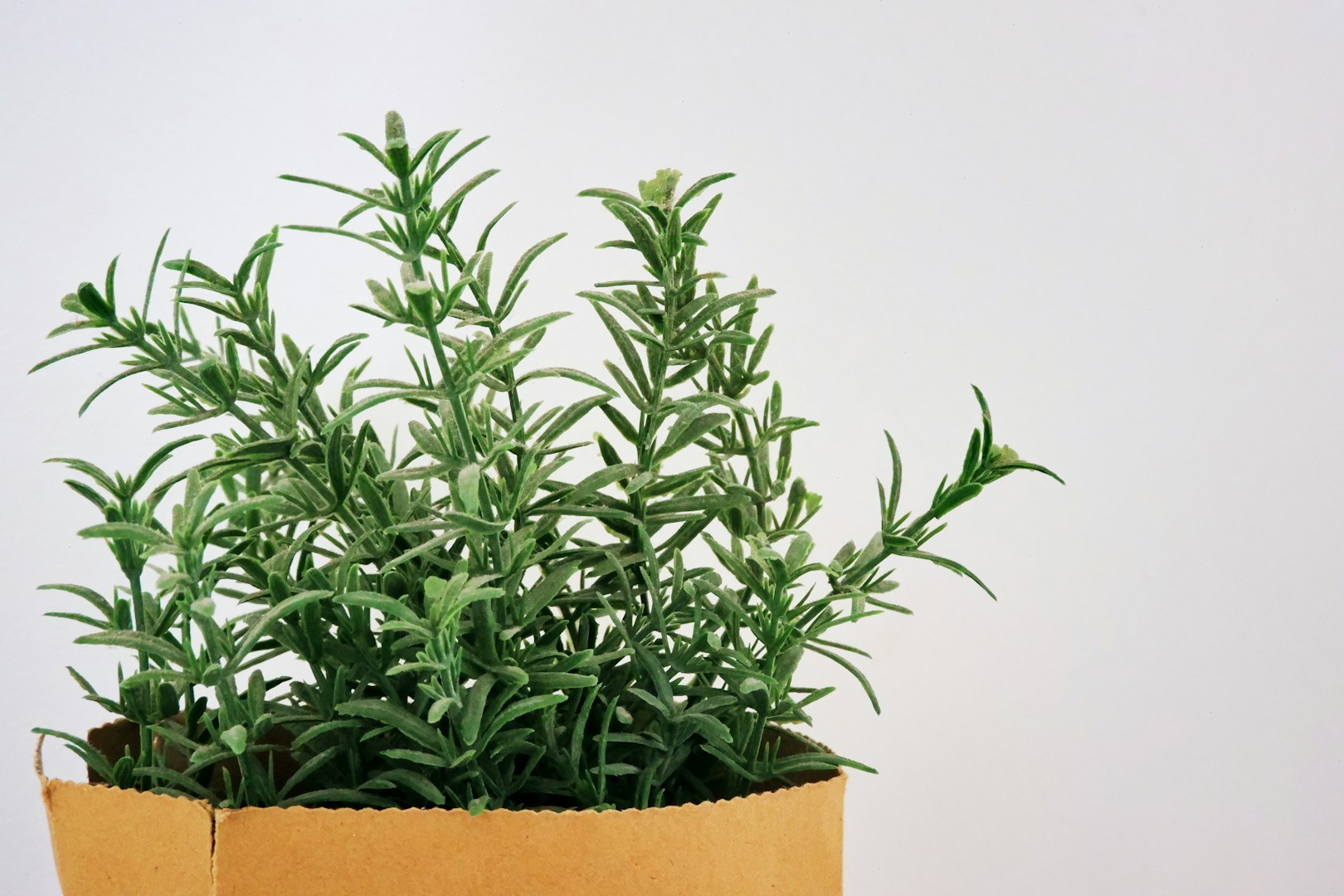
Herbs and Spices do not count as a whole point, but instead count as a 1/4 of a point, due to the very small amounts that we eat.
Keep a diary and count your plants for one week and this will give you an idea of your starting point. Notice that at the beginning of the week the points rise quickly and then slow down, as a result of eating the same foods, later in the week. Aim to increase the number of plants you eat at a pace that is comfortable for you.
What doesn’t count?
Not all foods derived from plants make the list.
Highly processed plant foods—like white bread, white pasta, and white rice—don’t count because the nutrient‑rich bran and germ have been removed (Stevenson et al., 2012).
However, wholegrain versions do count because they contain the full grain.
Simple ways to help reach 30 Plants a Week
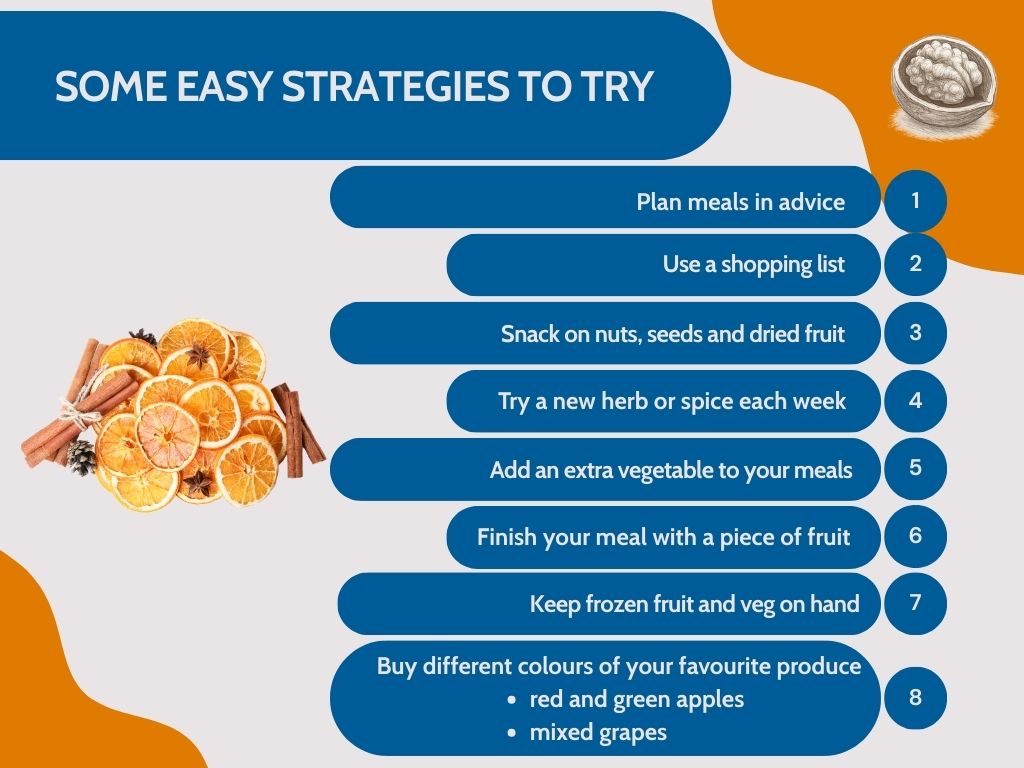
You might be closer than you think to reaching 30 plants a week.
After considering the number of different plants you are currently eating, try a few of the strategies listed above (or all of them) and, in a couple of weeks, count again.
Small changes can add up quickly.
In a Nutshell
Eating more plants a week is one of the simplest, most enjoyable ways to increase the number of beneficial bacteria in your gut, support your immune system, and promote long‑term health.
Aiming to reach 30 plants a week is a great goal, but it’s not about perfection—it’s about variety, colour, and curiosity in your diet.
If you would like personalised guidance to help make changes to your diet, please contact me.
Reference list